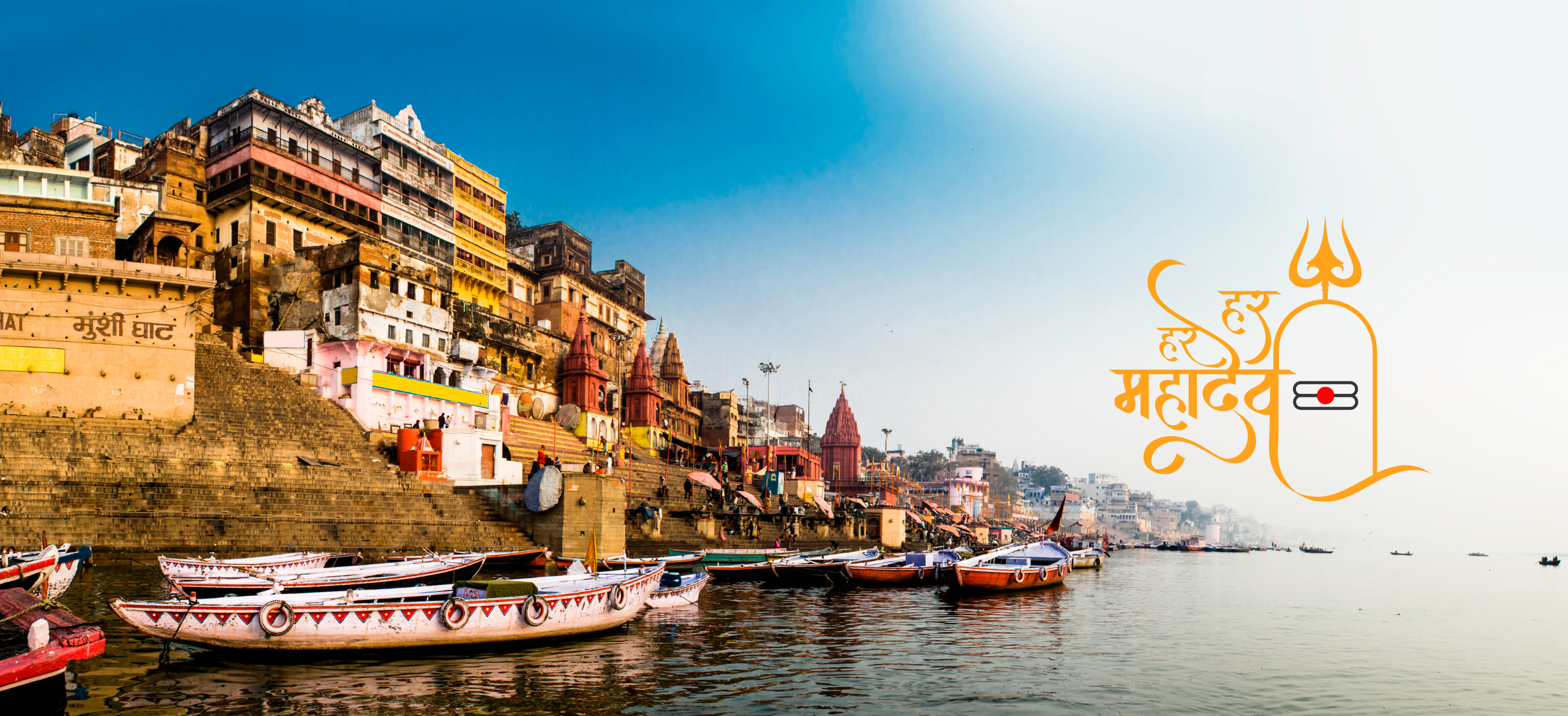
Kashi, also known as Varanasi or Banaras, is not just a city. It is a living civilisation. Known as the world’s oldest continuously inhabited city, Kashi has witnessed the rise and fall of empires, philosophies, and faiths, yet it has never paused its rhythm of life.
Here, history is not preserved in monuments alone. It is lived every day.
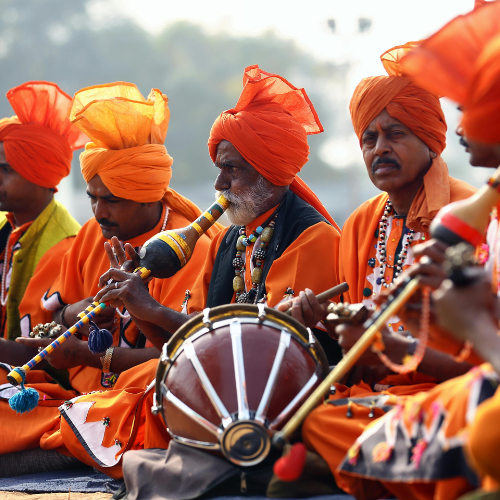
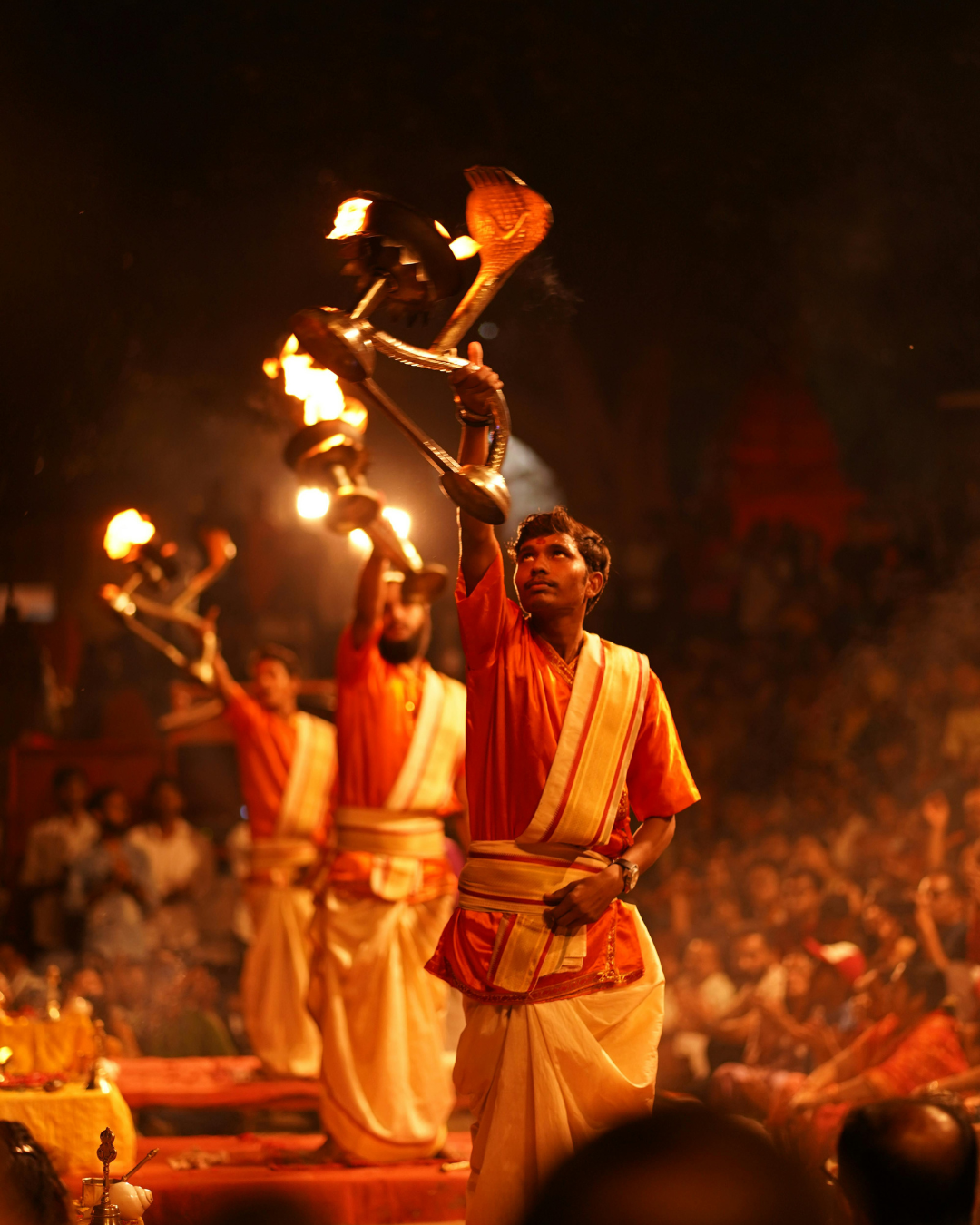
Ancient scriptures describe Kashi as Avimukta, the city never abandoned by Lord Shiva. References to Kashi appear in the Vedas, Upanishads, Puranas, Ramayana, Mahabharata, and Buddhist texts. Unlike many ancient cities that exist only as ruins, Kashi continues as a living city where rituals, traditions, and daily life flow uninterrupted for thousands of years.
In Kashi, time does not move forward. It moves in cycles.
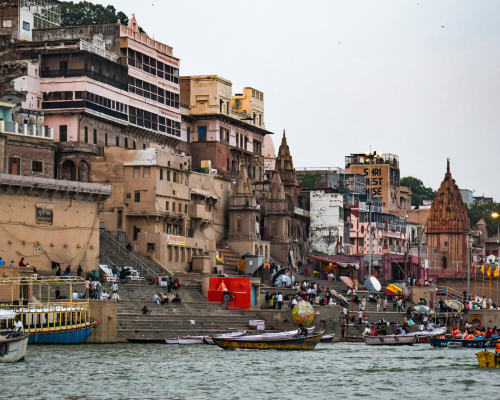
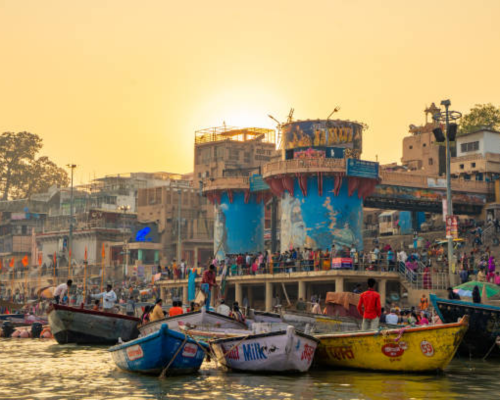
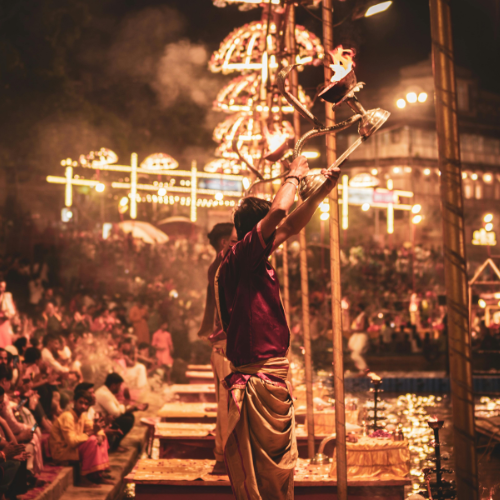
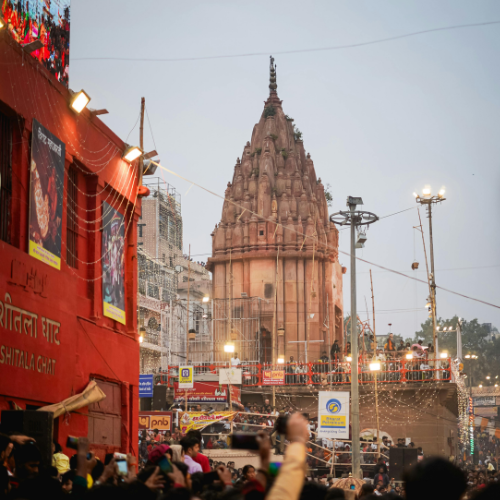
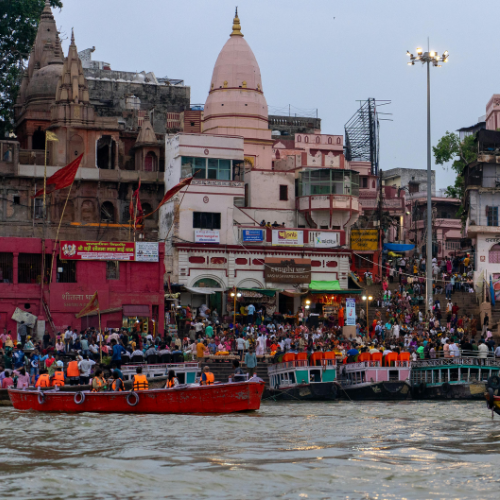
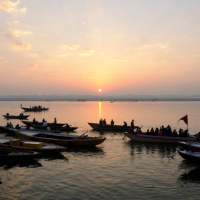
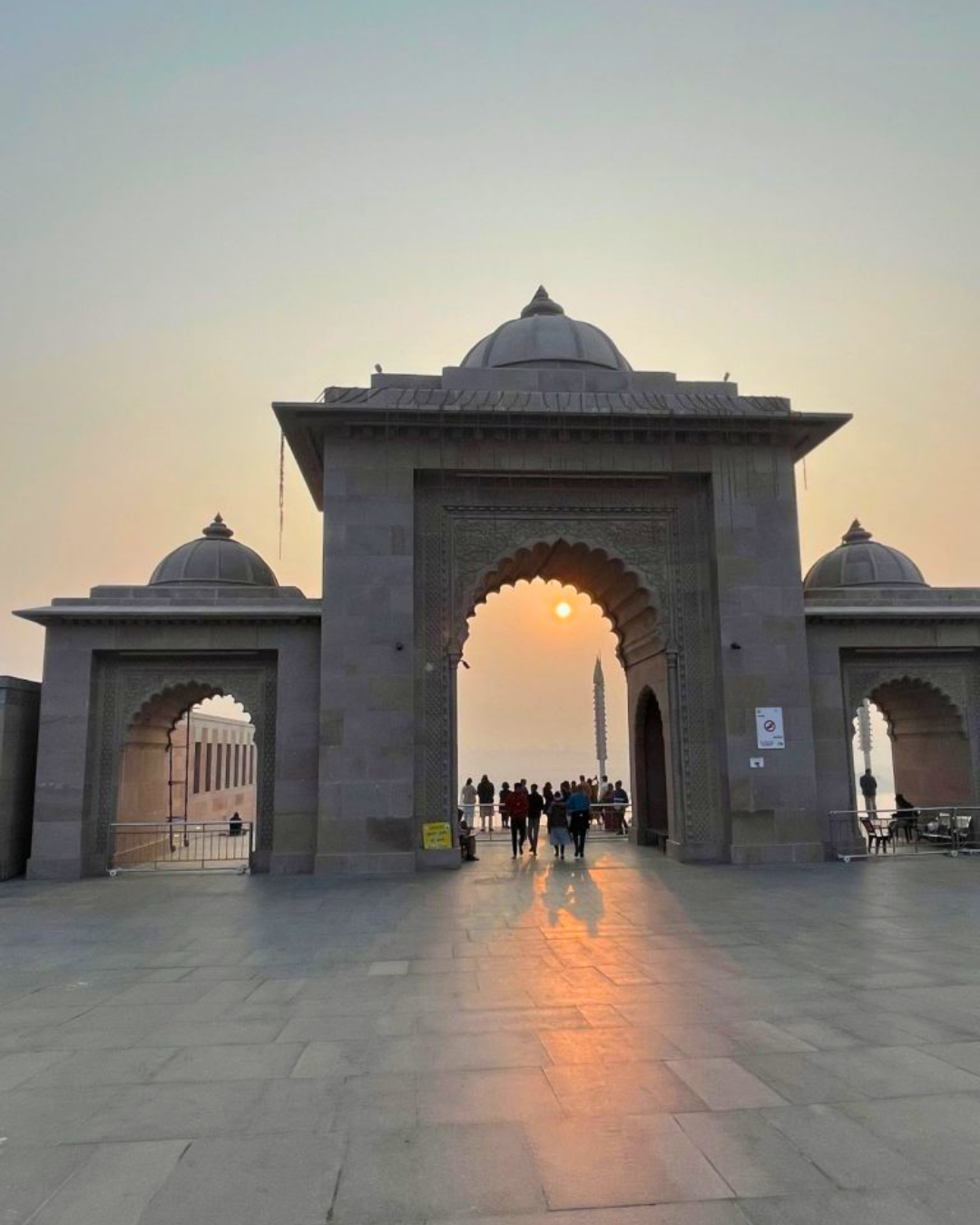
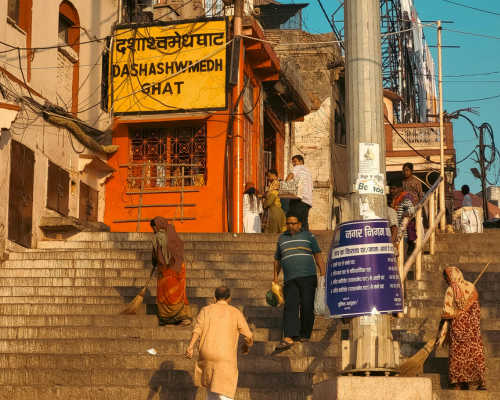
The ghats along the River Ganga form the spiritual and cultural backbone of Kashi. With more than 80 ghats stretching across the riverfront, each ghat carries a unique purpose, story, and spiritual significance.
Kashi is not frozen in the past, nor is it rushing towards modernity. It exists beyond linear time. People come here not only to visit, but to reflect, observe, and sometimes transform.
This is a city that teaches without speaking.